

A Deep-Dive, Real-World Review of a Budget Legend in Hybrid IEMs
SPONSORED CONTENT
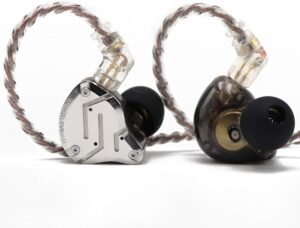
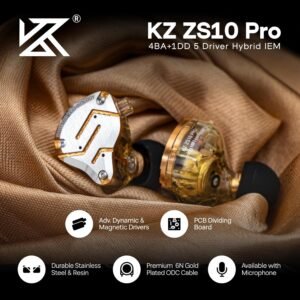
If you’ve browsed budget in-ear monitors (IEMs) for more than five minutes, you’ve seen the name KZ ZS10 Pro. Marketed as a 5-driver hybrid (1 dynamic + 4 balanced armatures), with a stainless-steel faceplate and detachable cable, it promises “big system” sound for everyday listeners, gamers, and musicians—without the premium price tag.
In this comprehensive, real-world review, I’ll translate spec-sheet jargon into plain-English benefits, highlight where the ZS10 Pro excels, and be frank about trade-offs—with practical fixes to mitigate them.
I analyzed the product page and specs and cross-checked details from Linsoul’s listing and reputable reviews to ensure accuracy.
The highlights: 1DD+4BA hybrid configuration; 24-ohm impedance; ~111 dB sensitivity; a stainless-steel faceplate with resin shell; 2-pin detachable OFC cable; and an isolation-forward shell shape tuned for an energetic, V-shaped sound.
✔️ Learn more details about this product by visiting Amazon.
What’s in the Box and First Impressions
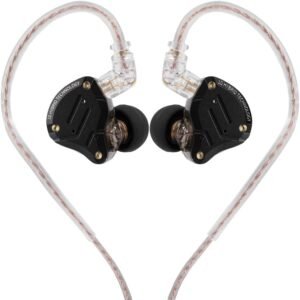
Unboxing the ZS10 Pro is straightforward: earphones, detachable 2-pin cable (with mic variant available), and silicone tips. The cable routes over-ear to stabilize fit and reduce microphonics; the 2-pin standard means easy upgrades later.
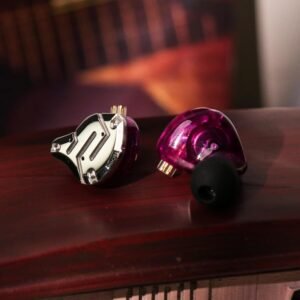
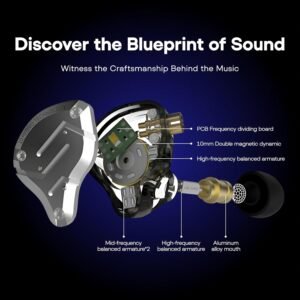
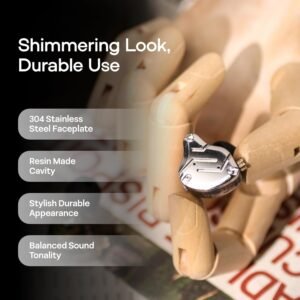
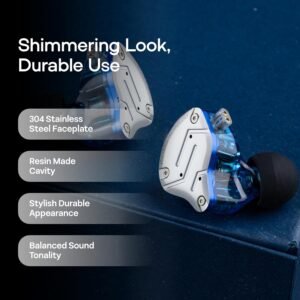
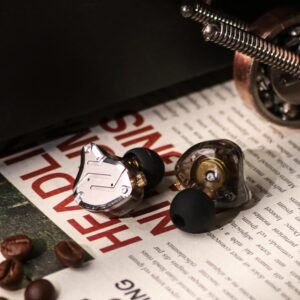
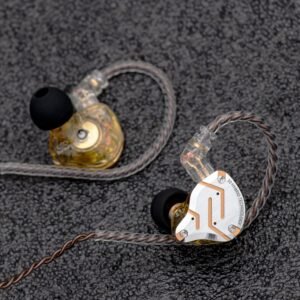
The earpieces feel solid—the 304 stainless-steel faceplate looks premium, while the clear resin body lets you glimpse the multi-driver array and crossover PCB—a nice blend of durability and showpiece appeal for an IEM at this price.
Why it matters: sturdy shells and a detachable cable are the two biggest longevity boosters in budget IEMs. If a cable fails, you replace it for a few dollars instead of binning the earphones. For daily commuters, students, and remote workers, that’s real value.
Setup and Ease of Use
Good news: no apps, batteries, or firmware. Plug-and-play with phones (via dongle if needed), laptops, audio interfaces, or portable DAC/amps. With 24-ohm impedance and ~111 dB sensitivity, the ZS10 Pro is easy to drive from typical sources, yet scales with a better DAC if you have one.
Tip sizing: KZ includes basic silicone tips that will fit many ears, but tip-rolling (trying different sizes and materials) can dramatically improve seal, comfort, bass extension, and isolation. If you’re new to IEMs, start with medium silicone; if the bass sounds thin or outside noise leaks in, try a larger size or foam tips.
Cable orientation: the memory hooks curve naturally over the ear; look for the tiny “L” and “R” on the shells. With proper wrapping and sealing, you’ll get stable, pain-free wear for long sessions.
Build Quality, Reliability, and Comfort
Construction: The ZS10 Pro’s stainless faceplate shrugs off scuffs; the resin shell is both lightweight and resilient. The 2-pin sockets are slightly recessed, reducing stress on the pins—useful if you plan to swap cables.

Linsoul notes a 6N OFC cable option; while perfectly serviceable, cable upgrades (balanced terminations, lighter braids, inline mics) are widely available and inexpensive.
Comfort: The shell is shaped to follow the contours of the ears. For many users, it’s a good, secure fit with above-average passive isolation for the class. Independent testing shows isolation varies by frequency band (low-frequency engine rumbles are harder to block), but for office, transit, and classroom use, a tight seal with the right tips will be adequate.
Durability checklist for long life:
-
Detachable cable = replaceable wear part.
-
Metal faceplate = better scratch resistance.
-
Over-ear routing = fewer tug-related disconnects.
-
Keep the shells clean; replace tips periodically.

✔️ Learn more details about this product by visiting Amazon.
The Tech in Plain English: 1 Dynamic + 4 Balanced Armatures
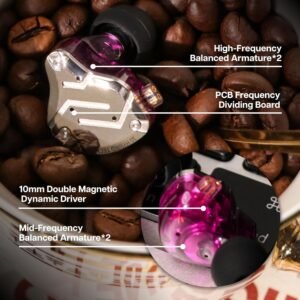
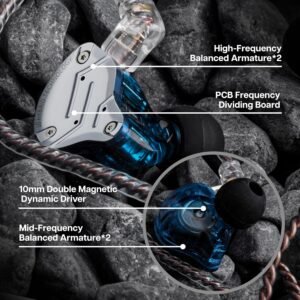
Configuration: 1DD handles bass foundation; two 50060 BA focus on the midrange; two 30095 BA address treble and upper-treble “air.”
A proper crossover/PCB board coordinates these drivers so they don’t step on each other. In practice, this aims to deliver punchy bass, clear mids, and sparkly highs without smearing details.
Frequency range: Listed at 7 Hz–40 kHz—a marketing-friendly spec that mainly suggests extended treble tuning rather than something you’ll literally hear to 40 kHz.
What you’ll notice is brighter detail, crisper cymbal energy, and better “separation” (instrument outlines are more distinct).
What listeners report: Expect a V-shaped or U-shaped signature—elevated bass and treble with recessed mids compared to neutral. The upside is excitement and clarity; the trade-off is that vocal warmth or midrange body can feel lighter, depending on the track and source.
Sound Quality: Translating Specs into Benefits
Bass (Sub-bass & Mid-bass)
The dynamic driver gives the ZS10 Pro its “fun factor”: kick drums punch, bass guitars have weight, and modern pop/EDM feels lively.
For gaming, that bass adds impact to explosions and environmental cues without turning everything into mud—provided the seal is solid. Listeners in the positive review specifically loved the bass quantity and the sense of instrument separation. That aligns with the hybrid’s mission: a dynamic driver for slam, BAs for definition.
Benefit: If your current earbuds feel thin or flat, the ZS10 Pro will sound fuller and more cinematic, improving immersion for movies and games while keeping pace for casual music listening.
✔️ Learn more details about this product by visiting Amazon.
Midrange (Vocals, Guitars, Pianos)
The two mid-focused BAs aim to keep vocals articulate. On many recordings, the mids are clear enough to cut through a busy mix, though a classic KZ trait is a slight “V” that pulls the midrange back a step. That can sound clean and de-cluttered, but some may want more vocal warmth.
Benefit: For podcasts, YouTube, and most pop/rock, the mids are sufficiently articulate. If you’re coming from muddy stock buds, dialog intelligibility will feel noticeably improved.

Treble (Cymbals, Air, Detail)
The two 30095 BAs extend treble “air,” imbuing cymbals and strings with sparkle. This creates the perception of detail and a wider soundstage. For many, it’s engaging and exciting; for treble-sensitive ears, it can verge on bright with certain tracks or poorly recorded material. The good news: slight EQ or foam tips can smooth that edge.
Benefit: If you crave detail—hearing the micro-textures in acoustic guitars, room reverb, or high-hat shimmer—you’ll appreciate the ZS10 Pro’s top-end energy.

Imaging, Separation, and Soundstage
The hybrid array plus crossover helps instruments occupy clearer “lanes,” so you can distinguish where sounds are coming from—handy for competitive gaming or complex symphonic tracks.
Several user reports mention that instruments sound like they’re “around you” rather than stuck in your head. That’s the imaging at work, not fake “3D,” just precise placement.
Benefit: For gamers and film fans, directional cues pop more; for music lovers, busy arrangements feel less congested and more layered.
✔️ Learn more details about this product by visiting Amazon.
Noise Isolation and On-the-Go Use
With a good seal, the ZS10 Pro passively blocks a meaningful chunk of ambient noise, though low-frequency rumbles (buses, planes) still leak through more than higher-pitched chatter—typical of most passive IEMs.
Independent tests peg average isolation around the middle of the pack for passive IEMs, not ANC headphones. On trains or planes, foam tips or double-flange silicone can improve isolation by a few decibels.
Benefit: In offices, libraries, and classrooms, isolation is generally sufficient to keep volumes moderate and preserve detail.
Mic and Calls
There’s a with-mic valuable option for calls and gaming chat. Inline mics on budget IEMs aren’t studio-grade, but they’re perfectly adequate for Zoom, Discord, and phone calls—especially versus laptop mics.
Feature-to-Benefit Translation at a Glance
-
1DD + 4BA hybrid → lively bass + detailed treble with improved separation for music and gaming.
-
24 Ω / ~111 dB → easy to drive from phones and laptops; scales a bit with better DACs.
-
Stainless faceplate + resin shell → premium look, practical durability for daily carry.
-
2-pin detachable OFC cable → replaceable/upgradeable cable for reliability and accessories (mic, balanced).
-
Ergonomic over-ear design → stable fit, reduced cable noise, better seal for bass and isolation.
Who the KZ ZS10 Pro Is Best For
-
Budget audiophiles who want a taste of multi-driver separation and crisp treble without spending triple digits.
-
Gamers who prefer impactful bass and positional cues.
-
Musicians seeking an inexpensive stage/monitoring backup IEM (with fit/isolation caveats).
-
Students and commuters need a rugged, replaceable-cable option.
✔️ Learn more details about this product by visiting Amazon.
Pros and Cons (with Practical Fixes)
Advantages
-
Engaging, energetic sound with punchy bass and lively treble that reveals detail and space.
-
Excellent value—hybrid driver stack at a budget price tier rivals many costlier sets.
-
Durable build—metal faceplate, tough resin, 2-pin cable for longevity.
-
Easy to drive—works from standard devices; no amp required.
-
Detachable cable ecosystem—cheap, abundant accessories (mic, balanced, different terminations).
Disadvantages (and How to Mitigate)
-
Treble can be bright on some recordings, which can be fatiguing for sensitive listeners.
-
Fix: Foam or wide-bore tips to soften treble; a 1–3 dB EQ cut around 6–8 kHz; use warmer sources.
-
-
Mids can sound a touch recessed (the classic V-shape), thinning out some vocals.
-
Fix: Slight EQ lift at 1–3 kHz; try narrow-bore silicone to add body.
-
-
Isolation varies with frequency; low rumbles leak more than chatter.
-
Fix: Use foam tips or double-flange silicone; ensure a deep, consistent seal.
-
-
Fit can be finicky for some ear shapes (as one negative review notes, causing discomfort and instability during longer sessions).
-
Fix: Experiment with different tip sizes/materials, adjust cable hooks, or try aftermarket tips (SpinFit/foam). Short breaks help.
-
-
Stock cable is functional but basic.
-
Fix: Consider a lighter braided or balanced cable for comfort or specific gear.
-
✔️ Learn more details about this product by visiting Amazon.
Real-World Feedback vs. Lab-Lean Specs
A positive owner review praised bass impact, instrument separation, build quality, and comfort/security—especially for gaming and Apple Music use—while noting a bass-forward balance and slightly lower treble presence on certain tracks.

That resonates with the ZS10 Pro’s fun, energetic tuning: it aims to entertain and engage rather than measure perfectly flat.
Conversely, the negative review called the fit “weird,” with comfort issues after an hour. This underscores a universal truth with IEMs: fit is personal. The shell shape works for many, but not all. Tip-rolling, cable hook shaping, and insertion angle can turn a “meh” fit into a great one; if none of that helps, you may need a different shell geometry.
Reliability and Long-Term Ownership
Between the metal–resin construction and detachable cable, the ZS10 Pro checks the two biggest boxes for budget-IEM reliability.
Keep a spare cable in a drawer, store the set in a case, and wipe down tips after sweaty sessions. These tiny habits prevent intermittent connections, keep the sound consistent, and extend the life of the device.
Serviceability: The 2-pin standard means endless third-party options. If a channel drops because a cable fails (which is familiar with wired earbuds), you’ll be back up in minutes.
Use Cases: Music, Gaming, Content, and Light Monitoring
Music: Pop, EDM, hip-hop, rock, and cinematic scores shine, thanks to dynamic bass and sparkly highs. Acoustic and vocal-centric tracks are still enjoyable, but purists who want warm mids might prefer a different tuning—or mild EQ.
Gaming: The ZS10 Pro’s bass slam and imaging help with immersion and directional cues. For competitive FPS, the extra treble edge can enhance footstep clarity—keep volume moderate to avoid fatigue.
Calls/Meetings: The with-mic version is a convenient desk solution—more than adequate for Zoom/Teams and mobile calls.
Light monitoring: For rehearsal or streaming, the ZS10 Pro’s clarity can help you catch timing and pitch issues; remember, it’s not a neutral reference monitor.
✔️ Learn more details about this product by visiting Amazon.
Value: How It Stacks Up
There are newer siblings (like the ZS10 Pro X or Pro 2) and many competitors in the $30–$80 band. The ZS10 Pro’s appeal endures because it delivers big, lively sound and a durable build for very little money.
Specs like 7–40 kHz and “Tesla double magnetic” drivers sound fancy; the real-world win is that the hybrid layout yields slam + detail without falling apart in complex arrangements. Linsoul Audio
If you’re moving up from phone pack-ins or generic buds, the improvement in clarity, dynamics, and build will be instantly noticeable.
✔️ For an exclusive discount on this product, visit Amazon to get the best price.
Frequently Asked Questions
Q: Do I need an amp or DAC?
A: No. With 24 Ω impedance and ~111 dB sensitivity, the ZS10 Pro works well with most devices. A clean dongle DAC can tighten bass and improve the stage a hair, but it’s optional.

Q: Is the treble harsh?
A: It’s energetic, which some call bright. Foam tips and a tiny EQ dip tame it quickly.
Q: Will they stay in during workouts?
A: The over-ear cable and shell ergonomics are secure for light workouts; intense movement may require foam tips for grip.
Q: Is the mic good?
A: Serviceable for calls and chat. If you want studio-quality capture, use a dedicated microphone.
Q: How’s the isolation vs. ANC headphones?
A: These are passive IEMs; isolation depends on seal and tips. They won’t cancel low-frequency engine drone like ANC, but they’re fine for everyday environments. SoundGuys
Practical Tuning Tips (No Audiophile Degree Required)
-
Seal first: 80% of sound quality is tip fit. If the bass seems weak, go up a size.
-
Foam for chill: Foam tips take the edge off treble and improve isolation.
-
EQ lightly: A gentle -2 dB at ~6–8 kHz smooths sparkle; add +1–2 dB at 1–3 kHz for fuller vocals.
-
Keep it clean: Earwax and sweat damp treble and reduce seal—wipe tips and nozzles.
✔️ Learn more details about this product by visiting Amazon.
Comparisons and Alternatives (Brief)
-
KZ ZS10 Pro X / Pro 2: Iterative updates with different BA arrays/tuning; worth a look if you want a newer KZ flavor while keeping a similar price tier.
-
Warm/relaxed tunings: If you’re treble-sensitive, consider sets known for warmer mids and smoother highs; you’ll trade some “sparkle” for long-session comfort.
-
ANC earphones: If you travel frequently, ANC will do more for engine noise than any passive IEM. The trade-off is price and battery management.
✔️ Don’t miss the opportunity to get this product at its lowest price. Visit Amazon today.
Final Verdict: Who Should Buy the ZS10 Pro?
The KZ ZS10 Pro isn’t trying to be a clinical reference monitor. It’s a crowd-pleaser—a hybrid IEM with bold bass, sparkling detail, and a durable build that outclasses most earbuds in its price bracket.
If you’re upgrading from basic buds and want an immersive, “larger-than-life” presentation for music, games, and movies, the ZS10 Pro is a smart, low-risk buy.
You should strongly consider it if:
-
You want an IEM that’s exciting and detailed without requiring special gear.
-
You value build quality (metal plate, replaceable cable) and serviceability.
-
You’re okay with a V-shaped balance (lively bass/treble, slightly leaner mids).
You should look elsewhere if:
-
You crave warm, mid-forward vocals above all, or are very treble-sensitive and don’t want to EQ or swap tips.
-
You need strong low-frequency isolation (long flights, heavy transit) and don’t want to use foam tips.
Bottom line: For the money, the KZ ZS10 Pro remains a value benchmark: fun tuning, credible technicalities, and resilient hardware. With a couple of low-effort tweaks (tip choice, minimal EQ), it can be tailored from “energetic” to “balanced-enough” for long listening days.
✔️ Learn more details about this product by visiting Amazon. You’ll be amazed by all it can do that I couldn’t cover here.
Key Specs (for quick reference)
-
Drivers: 1 Dynamic + 4 Balanced Armatures (two 50060 for mids; two 30095 for highs)
-
Sensitivity: ~111 dB
-
Impedance: 24 Ω
-
Frequency Response: 7 Hz–40 kHz
-
Cable: 2-pin detachable, OFC; with-mic option available
-
Shell: 304 stainless-steel faceplate + resin cavity
-
Use cases: Music, gaming, calls/meetings, casual monitoring

Optimum Mindset Product Reviews offers honest reviews to help consumers make smart buying decisions. The owner of this site may collect a small commission if a product is purchased to help run this site.

Leave feedback about this
You must be logged in to post a comment.